


Religious Accommodations
The Chief of Chaplains serves as an advisor to the DCS, G-1 on matters pertaining to religious accommodations. The Office of the Chief of Chaplains develops and publishes training on the process for requesting and receiving religious accommodations.
The U.S. Army Chaplain Corps advises the command at all echelons on matters of religion (FM1-05, AR 165-1).
- Commanders, Staff, Chaplains and Religious Affairs Specialists must maintain familiarity with RA law and policy to fulfill: Requirement to train Army Soldiers and leaders in RA.
- Command responsibility to act on requests for Religious Accommodation in a timely and effective manner.
- Chaplain/Religious Affairs Specialist responsibility to advise Army leaders and Soldiers on religious exercise in military contexts and to lead the RA process as subject matter experts.
- Chaplain responsibility to conduct formal RA interviews as part of RA requests and write effective memorandums.

U.S. Constitution
The U.S. Constitution’s First Amendment is the foundation for religious freedom and accommodation. It undergirds all U.S. law and policy, to include DoD and U.S. Army policy on religious accommodation.
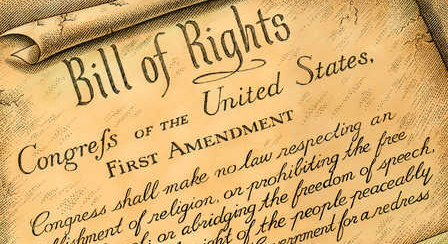
The First Amendment
The defense of religious liberty is a central reason for the existence of the U.S. Army.
Religious freedom is so highly valued by our nation, that accommodations are made for diverse religious expression in federal law and policy, where military service would otherwise require stricter uniformity.
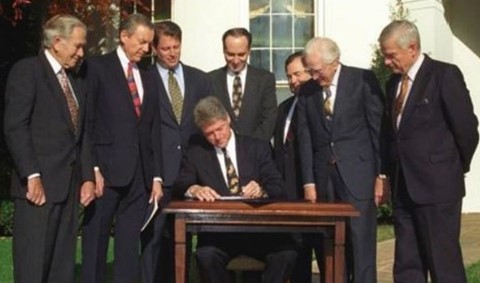
Religious Freedom Restoration Act (RFRA)
The government may substantially burden a person’s exercise of religion only if it demonstrates that application of the burden to the person—
(1) is in furtherance of a compelling governmental interest
(2) is the least restrictive means of furthering a compelling governmental interest.
Religious Freedom Restoration Act (RFRA)
42 U.S.C. § 2000bb–2000bb-4
| Document Name |
|---|